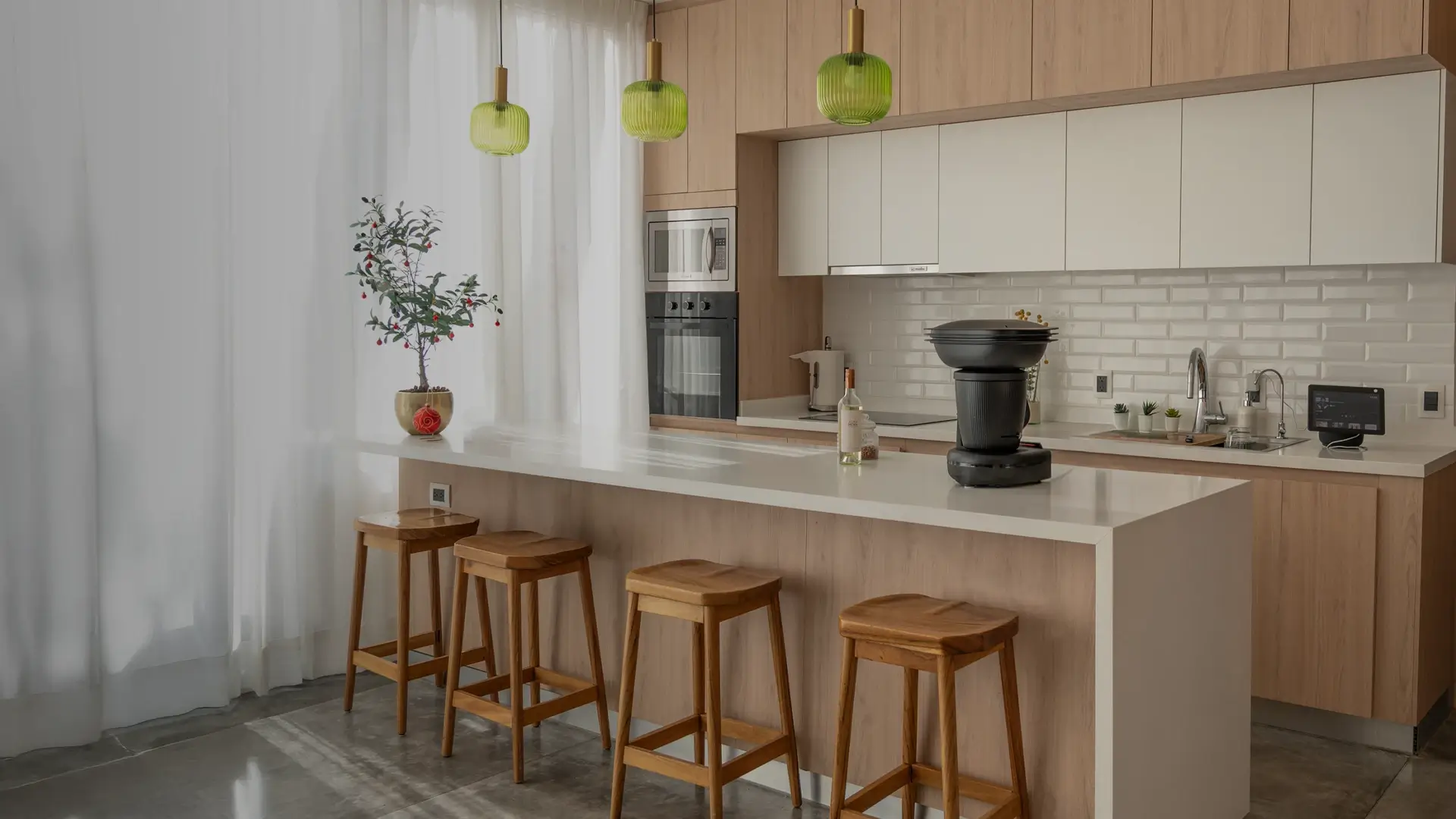
Guide to designing a custom kitchen that performs well over time

Real-world criteria for layout, materials, systems, and daily use applied to custom kitchen design.

What makes a kitchen work
well in everyday use

A well-designed kitchen isn’t defined by a single element. Its performance depends on the relationship between layout, internal systems, materials, and real daily habits.

When these decisions are made without a clear criterion from the start, common problems appear: uncomfortable circulation, lack of truly usable storage, premature wear, or limitations when integrating appliances.

Designing a custom kitchen means anticipating how the space will be used today—and how it must continue to work over time.

Layout and organization
of space in custom kitchens

Layout is the functional foundation of any kitchen. It defines how work zones relate to each other, how the space is navigated, and how efficient daily use becomes.

Not every kitchen needs the same configuration. The right layout depends on the size of the space, the room’s shape, the number of users, and everyday habits.

Relationship between work zones

In a functional kitchen, the preparation, cooking, and cleaning areas must maintain a logical and efficient relationship. The distance between these zones directly affects daily effort, workflow fluidity, and comfort during continuous use.

Designing this relationship from the start prevents unnecessary movement and awkward crossings within the space.

Workflow and daily circulation

Beyond the kitchen’s shape, it’s essential to understand how the user moves within the space. Daily routes should be clear, with no interference or obstacles, allowing multiple people to use the kitchen at the same time without friction.

A good flow improves the experience and reduces both physical strain and visual fatigue in the space.

Internal systems and storage designed for continuous use

The inside of a kitchen defines its real efficiency. Good design isn’t only noticed when you look at it, but when you use it every day.

Internal systems should match real capacity needs, accessibility, and long-term order—avoiding generic solutions that become inefficient over time.

Internal organization
based on real habits

Each project considers how utensils, supplies, and frequently used equipment are stored. Organization responds to the way you cook, not to standard modules.

Accessibility and
usage hierarchy

Everyday items should be accessible without effort, while secondary storage is resolved without invading the main workflow.

Long-term
performance

Systems are selected with their long-term behavior in mind, ensuring smoothness, stability, and resistance to wear.

Materials and finishes selected for real-world use.

Choosing materials is not only about aesthetics, but also about the environment, daily use, and the project’s expected durability.
Each solution is defined from the start to avoid compromises later on.

Work
surfaces

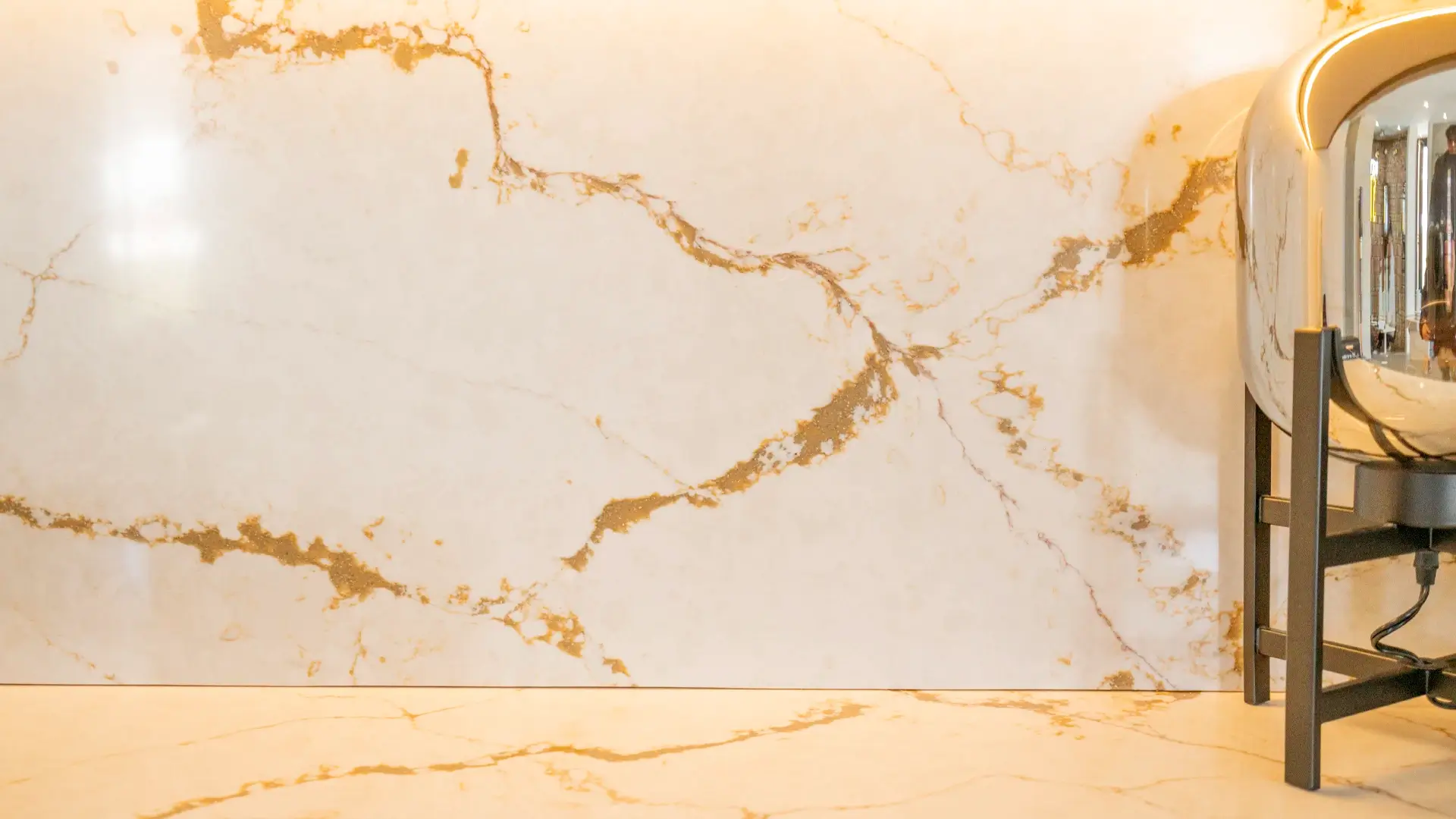
Countertops are selected based on resistance, maintenance, and performance under heat, humidity, and constant use—not just appearance.

Fronts
and structures

Structural and cladding materials are defined by stability, long-term behavior, and coherence with the overall design.

Hardware
and systems

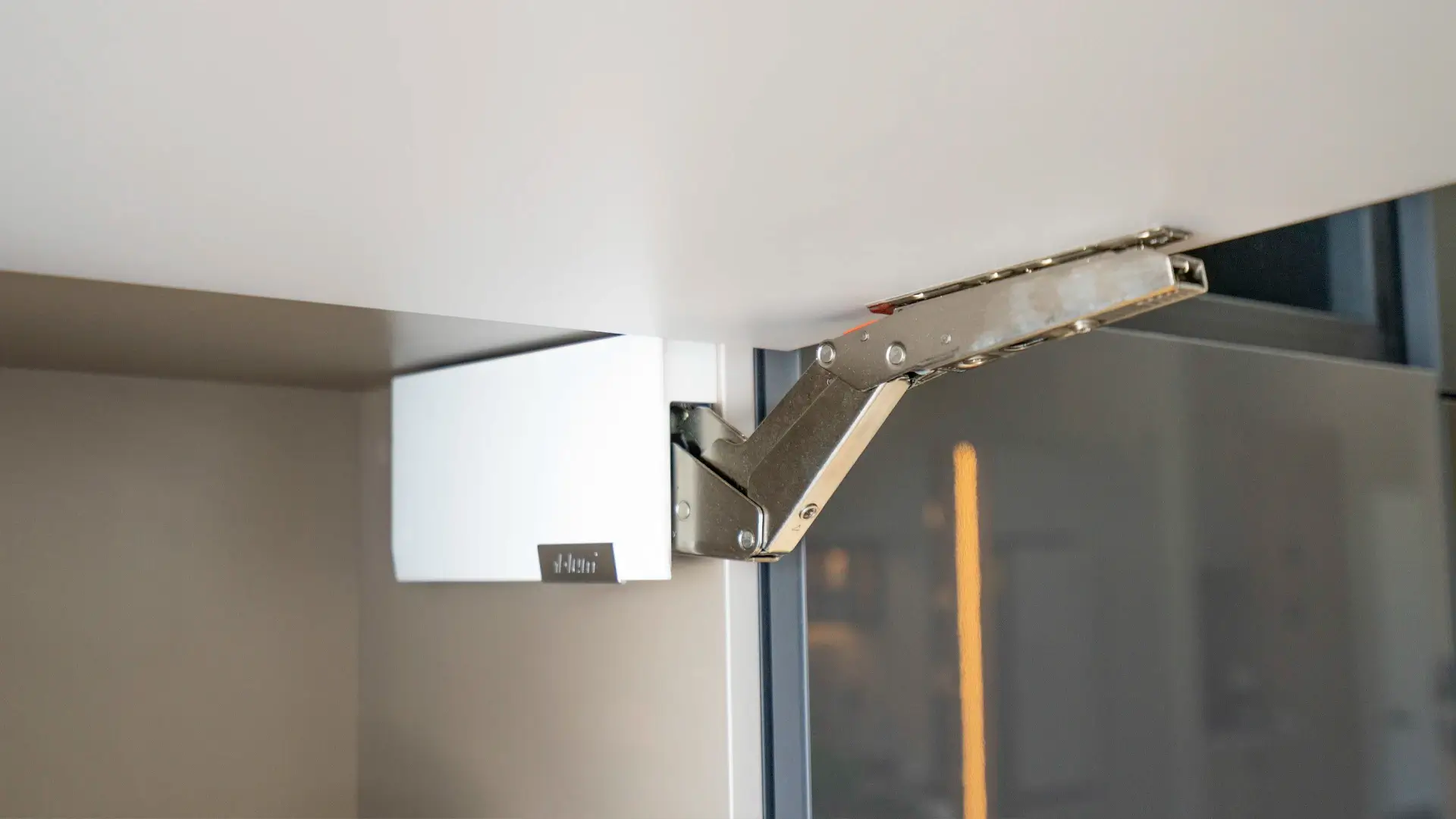
Opening, closing, and load-bearing systems are chosen for how they truly perform over time, ensuring precision and smooth daily use.

Finishes
and details

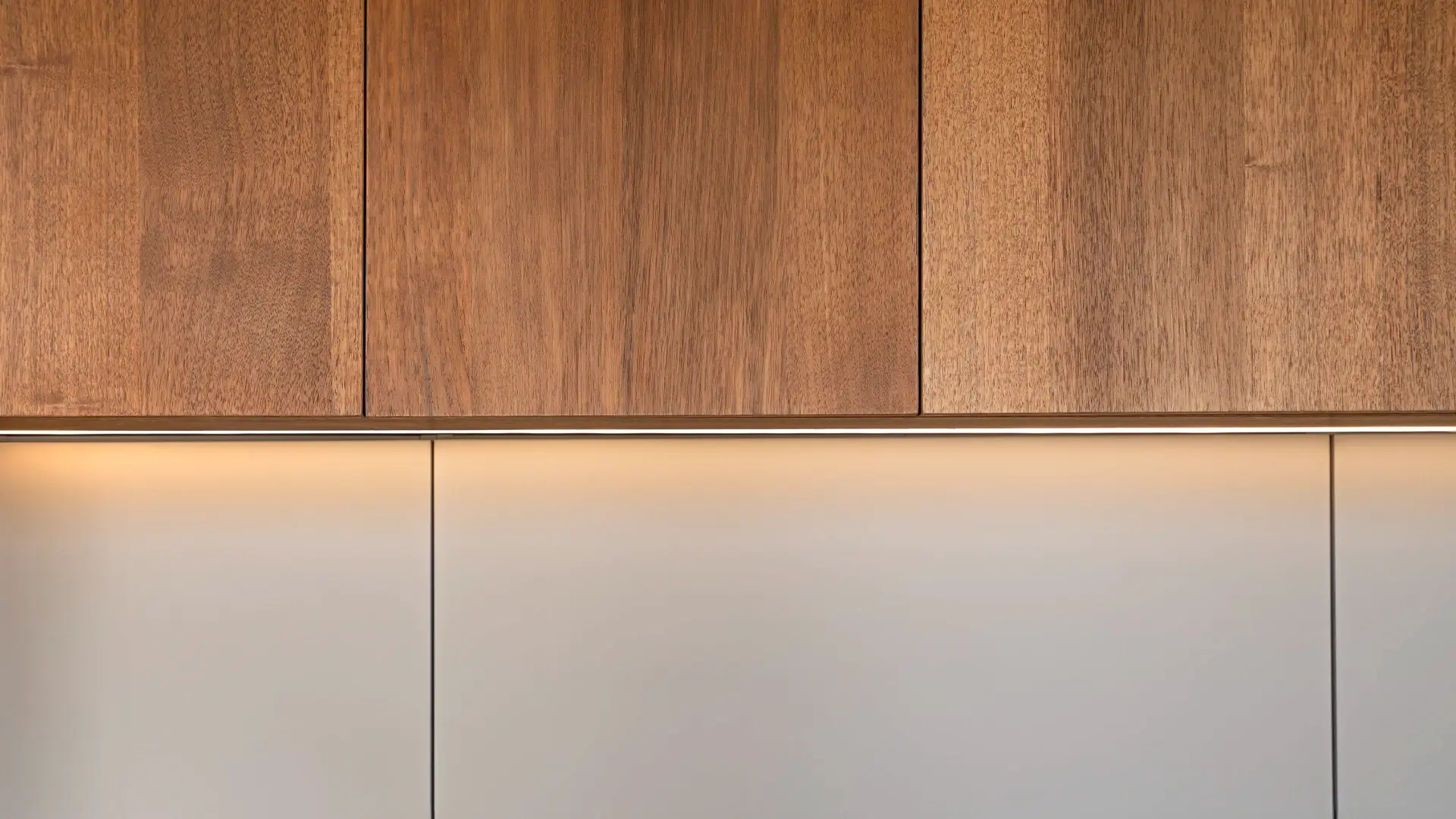
Textures, tones, and joints are developed as part of the overall design, aiming for visual coherence without sacrificing functionality.

Appliance integration from the design stage

Appliances must be considered during design to ensure proper ventilation, precise dimensions, and visual coherence.

Adapting the cabinetry after choosing them often creates technical and aesthetic limitations that affect the performance of the entire system.

→ Learn more

Functional and ambient lighting in kitchens

A kitchen requires different lighting levels depending on the activity. The right combination of functional and ambient light improves visibility, reduces mistakes, and elevates the day-to-day experience of the space.

Lighting is integrated as part of the system, not as an afterthought.

→ Learn more

Common mistakes in kitchen design

Many kitchen issues show up after a few months of use. In most cases, the root cause is decisions made without proper analysis.

Common mistakes include choosing unsuitable materials, not analyzing workflow, underestimating storage, or treating the kitchen as a set of isolated parts.

Avoiding these mistakes ensures a functional, long-lasting kitchen.

→ Learn more

Frequently asked questions about custom kitchens

Key decisions worth clarifying before developing a kitchen from scratch.

Explore materials and solutions
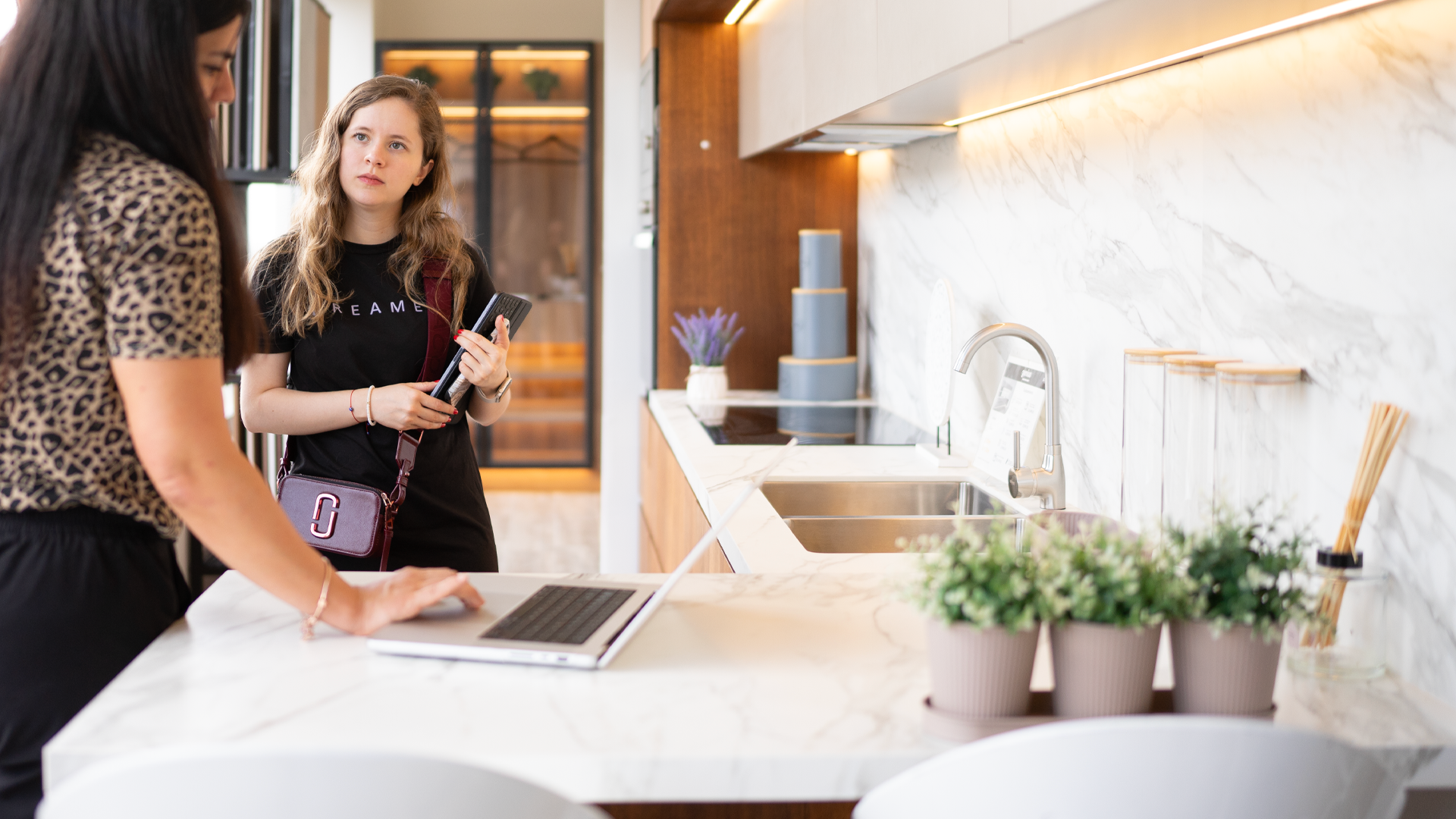
for your kitchen in our showroom

Review layouts, internal systems, and materials applied to real kitchens.

Visit the showroom

Visits are scheduled in advance so we can provide you with better service.

Tell us about your project

This information helps us understand your project and prepare the right level of support.


Initial assessment